
Generator Sizing & Load Calculations
Property-specific generator sizing based on essential circuits, motor-starting demand, simultaneous loads, fuel, elevation, and future electrical plans.
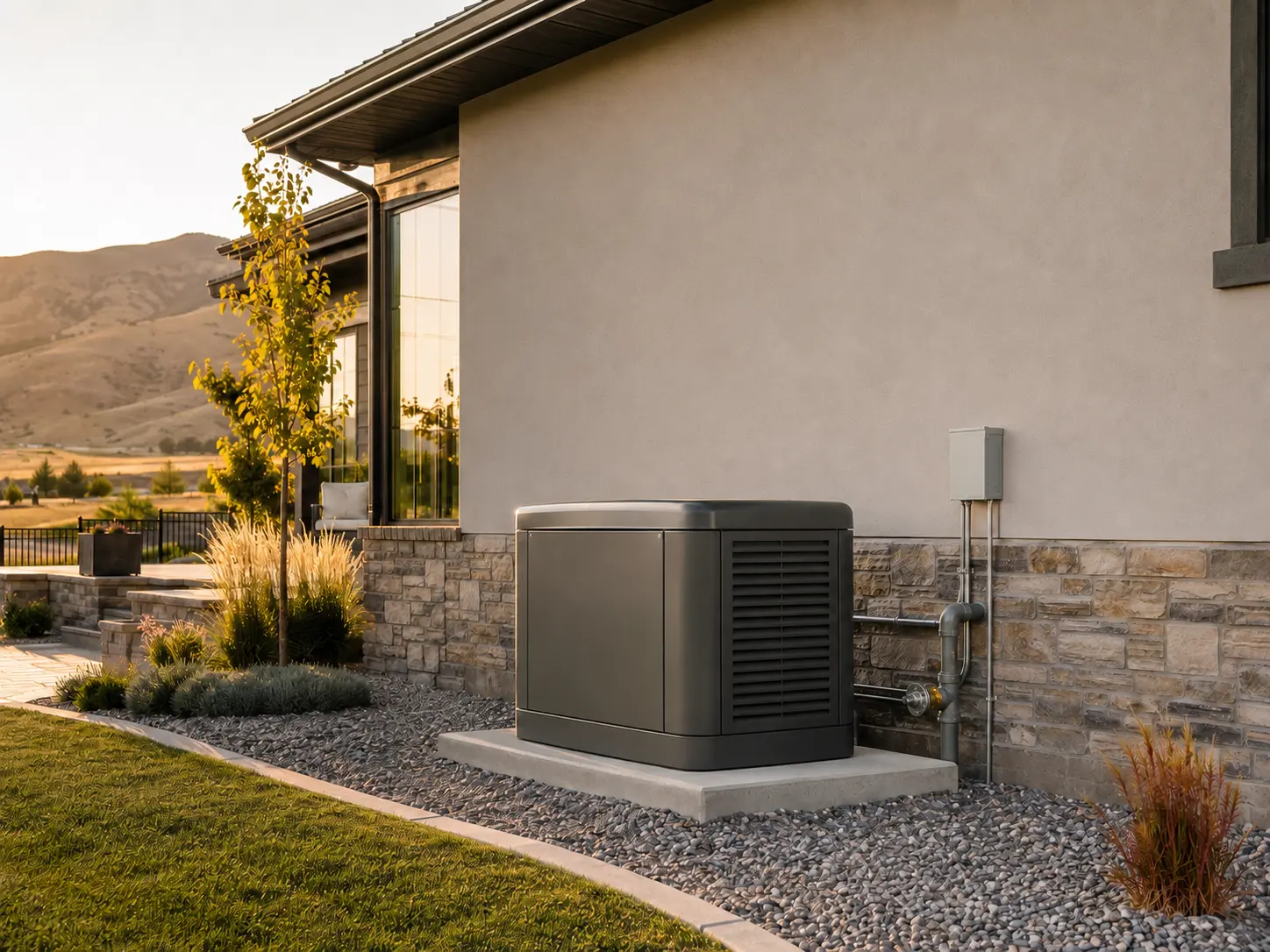
Designed around your home—not a product box
Generator capacity should be selected from actual loads and operating priorities—not square footage alone. We assess running demand, starting surge, load management, fuel, environmental derating, and likely future needs.
- ✓ Right-sized system recommendations
- ✓ Essential and optional load planning
- ✓ Motor-starting demand review
- ✓ Load-management opportunities
- HVAC, wells, pumps, and other motors
- Fuel-system capacity
- Elevation and temperature effects
- Future appliances and property changes
From loads to a commissioned system
Discover the loads and routines that matter
Each phase is documented and adapted to the equipment, property, code requirements, and project schedule.
Design the system and confirm site requirements
Each phase is documented and adapted to the equipment, property, code requirements, and project schedule.
Coordinate electrical, transfer, fuel and permitting
Each phase is documented and adapted to the equipment, property, code requirements, and project schedule.
Install, commission and orient the homeowner
Each phase is documented and adapted to the equipment, property, code requirements, and project schedule.
Clear answers before you commit
Why not simply choose the largest generator?
An oversized generator can add unnecessary equipment and fuel cost. A load calculation helps balance reliable performance, load management, installation requirements, and future needs.
Plan your backup-power system with confidence.
Final sizing and runtime depend on equipment specifications, site conditions, loads, fuel, permitting, utility rules, and professional assessment.
Request a Consultation